

Vitamin A is responsible for a remarkable number of important processes in the body. It is essential for vision, it can strengthen the immune system — reducing susceptibility to infections — and it plays a direct role in skin cell renewal, which is why it features prominently in cosmetics and dermatological treatments. Yet vitamin A is also one of the few vitamins where both deficiency and excess carry meaningful health consequences, which makes understanding it properly particularly worthwhile.
What Is Vitamin A?
Vitamin A is a fat-soluble vitamin that exists in two distinct forms in the human diet. Preformed vitamin A (retinol) is found in animal products and is absorbed directly and efficiently — the body uses it immediately without conversion. Provitamin A carotenoids, primarily beta-carotene, are found in plant foods and must be converted to retinol in the intestinal wall before the body can use them. This conversion is substantially less efficient: it is generally accepted that approximately six units of dietary beta-carotene yield one unit of usable retinol, though the ratio varies between individuals depending on genetic factors and nutritional status.
Because it is fat-soluble, vitamin A is stored in the liver and fatty tissue rather than excreted daily. This means deficiency develops slowly — but it also means that overconsumption of preformed vitamin A accumulates rather than being harmlessly excreted, which has important implications for supplementation.
Key Functions of Vitamin A
Vision
Vitamin A's role in vision is among its most studied and clinically significant functions. It is required for the synthesis of rhodopsin — the light-sensitive pigment in the rod cells of the retina that allows the eye to function in low-light conditions. Deficiency first manifests as night blindness (difficulty adapting to dim light), which is a classic and early diagnostic marker. Prolonged deficiency leads to more severe eye conditions, including dryness of the conjunctiva (xerophthalmia), corneal ulceration, and in extreme cases, permanent vision loss. Adequate vitamin A is also associated with a lower risk of age-related macular degeneration. Our eye and vision supplements collection includes vitamin A alongside other nutrients that support eye health.
Immune Function
Vitamin A is integral to both innate and adaptive immune responses. It maintains the integrity of epithelial barriers — the mucous membranes lining the respiratory tract, gastrointestinal system, and urogenital tract — which are the body's first physical defence against pathogens. It also regulates the production and function of lymphocytes and other immune cells. Deficiency significantly increases susceptibility to infections and is associated with more severe illness outcomes. Conversely, adequate vitamin A intake supports recovery from infection. People with gastrointestinal disorders, chronic illness, or fat malabsorption conditions face increased risk of vitamin A deficiency due to impaired absorption, and may benefit from targeted supplementation after assessment. See our broader immune system supplements for comprehensive immune support options.
Skin Health
Vitamin A regulates keratinocyte proliferation and differentiation — the processes controlling how skin cells are produced, mature, and shed. This mechanism underpins its use both as a topical ingredient and as an internal supplement for skin conditions. Adequate vitamin A supports healthy epidermis renewal, helps reduce acne-related skin changes, and contributes to collagen fibre production through increased fibroblast activity, which affects skin firmness and elasticity. It also provides some protection against UV-induced skin damage and may help reduce hyperpigmentation.
Retinoids — synthetic derivatives of vitamin A — are among the most evidence-backed ingredients in clinical dermatology, used topically for acne, psoriasis, atopic dermatitis, and photoageing. Topical retinoid treatments require medical supervision and are contraindicated in pregnancy. Over-the-counter cosmetic retinol products operate at lower concentrations and are generally considered safe. Our hair, skin and nails collection includes supplements that support skin health from within.
Growth, Reproduction, and Organ Development
Vitamin A is involved in normal cell growth and differentiation, which makes it particularly important during periods of rapid development. It supports the normal function of the heart, lungs, and kidneys, and plays a role in reproductive health — deficiency is associated with menstrual irregularities and fertility problems in both sexes. Its active metabolite, retinoic acid, acts as a signalling molecule in gene expression, coordinating the development and maintenance of multiple organ systems.
Food Sources: Retinol vs Beta-Carotene
Vitamin A is available from both animal and plant food sources, though their bioavailability differs significantly:
- Retinol (preformed, highly bioavailable): beef and pork liver — the most concentrated dietary source — butter, full-fat dairy products, egg yolks, oily fish, and cod liver oil
- Beta-carotene (provitamin A, lower bioavailability): carrots, sweet potatoes, pumpkin, spinach, parsley, apricots, mango, and other orange and dark green vegetables and fruits
Plant-based diets can technically meet vitamin A requirements through beta-carotene, but the conversion efficiency is variable enough that vegans and strict vegetarians warrant attention to their vitamin A status, particularly if they have digestive conditions that might impair conversion or absorption.
Deficiency: Signs and At-Risk Groups
Vitamin A deficiency is rare in the context of varied Western diets but remains a concern for specific groups. Early signs include:
- Night blindness — difficulty seeing in low light or darkness
- Dry, rough skin — particularly on knees and elbows, unresponsive to moisturisation
- Dry eyes — reduced tear production, corneal dryness
- Frequent infections — particularly respiratory and gastrointestinal
- Impaired wound healing
- Fertility and menstrual problems in more prolonged deficiency
Groups with elevated deficiency risk include people with fat malabsorption conditions (coeliac disease, Crohn's disease, cystic fibrosis), those with chronic liver disease (which impairs storage), older adults with poor dietary variety, and people following very low-fat diets (vitamin A requires dietary fat for absorption). High alcohol consumption and chronic stress also increase vitamin A turnover.
Beta-Carotene Supplements: An Important Caveat
Beta-carotene is often perceived as the safer form of vitamin A because — unlike preformed retinol — it does not accumulate to toxic levels. This is true under normal circumstances. However, there is an important exception: high-dose beta-carotene supplementation in current and former smokers has been associated in clinical trials with an increased risk of lung cancer, not a reduced one. This finding, replicated in multiple large trials, means that beta-carotene supplements at high doses are contraindicated for smokers. Obtaining beta-carotene through food does not carry this risk. For non-smokers, beta-carotene supplementation within normal dietary ranges is considered safe.
Vitamin A Supplements: Forms and Dosage
Vitamin A supplements are available in several forms:
- Retinol (preformed vitamin A) — most bioavailable form, appropriate for confirmed deficiency; requires care not to exceed safe upper limits
- Beta-carotene — the safer general-population option for non-smokers; the body converts only as much as needed, with excess stored rather than converted
- Retinyl palmitate / retinyl acetate — esterified forms of retinol commonly used in supplements; stable and well-absorbed
- Combination supplements — vitamin A is often included in multivitamin formulations and in ADEK combinations with other fat-soluble vitamins
The EU recommended daily intake for adults is 800 mcg RAE (retinol activity equivalents). Most multivitamins provide 400–1000 mcg. Standalone high-dose retinol supplements (10,000–25,000 IU) are available but appropriate only for specific clinical situations and should not be used routinely without confirmed deficiency.
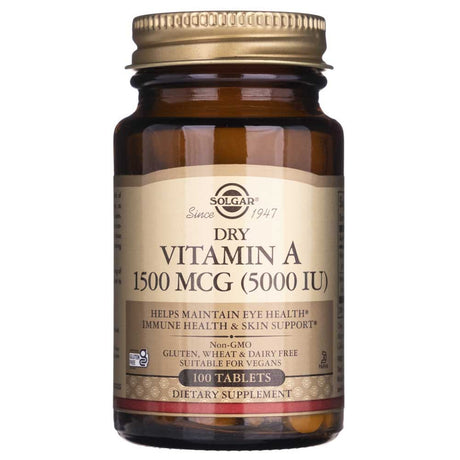


Solgar
Solgar Dry Vitamin A 1500 mcg (5000 IU) - 100 Tablets
Regular price €9.99Unit price€0.10 each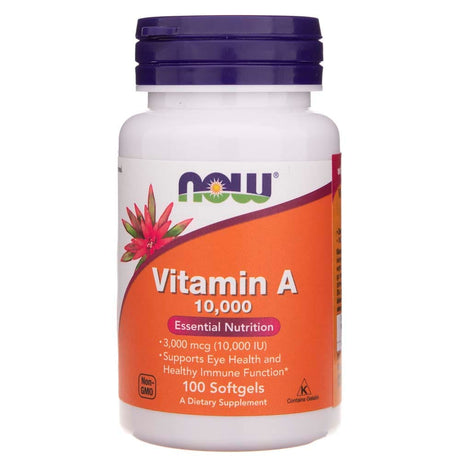


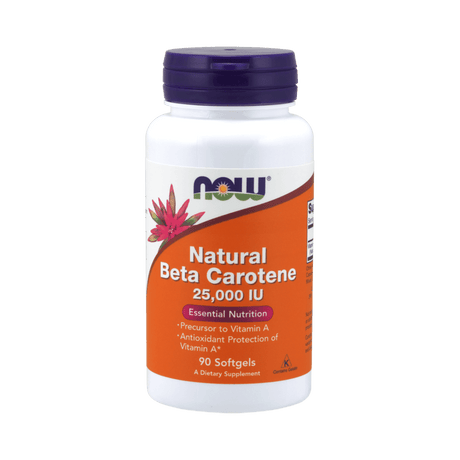
Now Foods
Now Foods Beta Carotene Natural 7500 mcg (25000 IU) - 90 Softgels
Regular price €15.59Unit price€0.17 each


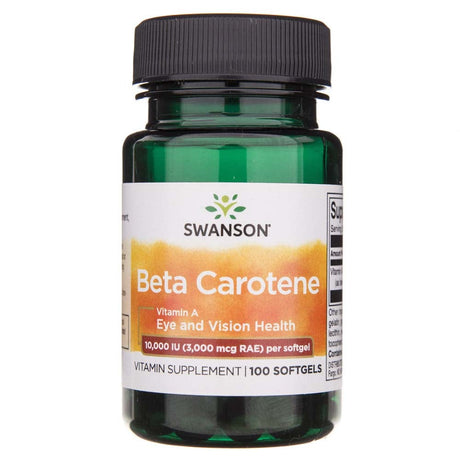


Explore the full range in our vitamin A collection, including standalone retinol supplements, beta-carotene options, and combination formulas with other fat-soluble vitamins.
This article is for information only and does not replace medical advice. If you have health concerns, are pregnant, breastfeeding or taking medication, consult a doctor or pharmacist. Dietary supplements are not a substitute for a varied diet.


