

Liposomal vitamin C is vitamin C particles enclosed in a lipid envelope — microscopic spheres called liposomes that are structurally similar to the phospholipid bilayer of human cell membranes. This form does not irritate the stomach and is substantially better absorbed than conventional vitamin C tablets or capsules. Standard ascorbic acid supplements are absorbed via active intestinal transporters that become saturated at higher doses — meaning much of a large dose passes unabsorbed and causes gastrointestinal discomfort. Liposomal encapsulation bypasses this limitation, allowing vitamin C to be delivered directly into cells with significantly higher bioavailability. Vitamin C itself (ascorbic acid) is essential for normal human functioning and, since the body cannot synthesise it, must be obtained through food or supplementation.
What Does Vitamin C Do in the Body?
Vitamin C contributes to a wide range of physiological functions — far beyond the immune support association that most people recognise first:
- Immune function — supports the production and activity of white blood cells; reduces duration and severity of upper respiratory infections in people with low baseline levels
- Collagen synthesis — essential co-factor for the enzymes that produce and cross-link collagen fibres; relevant for skin, gums, teeth, cartilage, blood vessels, and wound healing
- Iron absorption — converts dietary non-haem iron (from plant sources) to a more absorbable form, making it particularly important for vegetarians and those at risk of iron deficiency
- Antioxidant protection — neutralises free radicals in both aqueous cellular environments and circulating lipoproteins; protects against oxidative stress-driven cellular ageing
- Neurotransmitter synthesis — required for the production of noradrenaline and certain neuropeptides; influences mood, cognitive function, and stress response
- Cardiovascular support — contributes to the integrity of blood vessel walls through its role in collagen production; supports normal endothelial function
The breadth of these roles explains why deficiency produces such varied symptoms — from fatigue and poor wound healing to bleeding gums and impaired immunity. Our vitamin C collection includes both conventional and liposomal forms across a range of dosages and brands.
Why Liposomal Delivery Makes a Difference
Conventional vitamin C supplements are absorbed through sodium-dependent vitamin C transporters (SVCTs) in the intestinal wall. These transporters are easily saturated — at doses above approximately 200 mg, absorption efficiency drops sharply, and at 1000 mg or more, absorption may fall to 50% or less, with excess causing loose stools. This is why high-dose conventional vitamin C is often associated with digestive discomfort and why much of a large dose is excreted in urine.
Liposomal encapsulation changes this fundamentally. The phospholipid shell protects the vitamin C from degradation in the stomach and allows it to be taken up by intestinal cells through lipid-mediated endocytosis — a completely different pathway that does not saturate. Once inside, the liposomes fuse with cell membranes and release vitamin C directly intracellularly. This mechanism achieves meaningfully higher plasma concentrations than equivalent doses of conventional ascorbic acid, and does so without the gastrointestinal side effects that limit conventional high-dose supplementation.
Liposomal vitamin C is therefore particularly valuable for people who need higher therapeutic doses — those with compromised immune function, high oxidative stress, or elevated requirements — and for those with sensitive stomachs who find standard vitamin C supplements problematic.
Signs of Vitamin C Deficiency
Vitamin C deficiency develops gradually because tissue stores deplete over weeks rather than days. Early and moderate deficiency signs include:
- Persistent fatigue, weakness, and reduced motivation
- Lowered immunity — more frequent or prolonged infections
- Slow wound healing and easy bruising
- Bleeding or inflamed gums
- Joint and muscle pain
- Dry, rough skin and increased susceptibility to skin ageing
- Irritability, low mood, and difficulty concentrating
Prolonged severe deficiency causes scurvy — now rare but still seen in populations with very limited fruit and vegetable intake. The earliest reversible sign of vitamin C inadequacy is often gum fragility and suboptimal wound healing.
Who Needs More Vitamin C?
While the EU reference daily intake for adults is 80 mg, physiological requirements are significantly higher in certain situations:
- Smokers — tobacco smoke depletes vitamin C substantially; smokers require at least an additional 35 mg/day above standard recommendations
- People under prolonged physical or psychological stress — stress hormones accelerate vitamin C utilisation
- Pregnant and breastfeeding women — elevated requirements for foetal development and milk production
- Older adults — reduced dietary intake and potentially impaired absorption
- People with diabetes or hypertension — higher metabolic turnover of ascorbic acid
- Those recovering from surgery or illness — vitamin C is consumed rapidly during healing and immune activation
Vitamin C for Skin: Why Liposomal Form Is Relevant
Vitamin C is a well-established ingredient in evidence-based skincare — it inhibits melanin synthesis (reducing hyperpigmentation), supports collagen production (improving firmness and reducing wrinkles), and provides antioxidant protection against UV-induced photoageing. However, conventional topical vitamin C is highly unstable: it oxidises rapidly on contact with air and light, losing its activity. Vitamin C serums have a limited shelf life and degrade quickly once opened.
Liposomal vitamin C applied topically addresses this instability. The phospholipid encapsulation protects the ascorbic acid from oxidation and enables it to penetrate the stratum corneum and deliver the vitamin to deeper skin layers where it is active. For topical use, preceding application with a brief steam treatment opens pores and facilitates deeper penetration. Oral liposomal vitamin C also contributes to skin health systemically, supporting collagen biosynthesis and antioxidant protection from within. Explore our hair, skin and nails collection for skin-supportive supplements, and our antioxidants collection for broader antioxidant options.
Natural Food Sources of Vitamin C
Vitamin C is found widely in fruits and vegetables, though concentrations vary enormously. The richest sources by weight include:
- Acerola cherry — 1000–4500 mg per 100g; the most concentrated natural source available
- Camu camu — 1230–2060 mg per 100g
- Rosehip — 250–800 mg per 100g
- Sea buckthorn — 200–315 mg per 100g
- Blackcurrant — 150–300 mg per 100g
- Bell peppers, broccoli, kiwi — 80–100 mg per 100g
- Citrus fruits — 27–61 mg per 100g depending on variety
One important consideration: vitamin C is highly heat-sensitive and degrades rapidly with cooking, prolonged storage, and exposure to air. Fresh, raw, or minimally processed fruits and vegetables preserve the most. Adding lemon to hot tea, for example, provides far less vitamin C than eating the lemon fresh — the heat destroys much of the ascorbic acid.




Aliness
Liposol Vitamin C 1000 (Liposomal Buffered Vitamin C) - 250 ml
Regular price €16.69Unit price€66.76 /L
Aliness
Liposomal Vitamin C 1000 (Buffered), Orange - 250 ml
Regular price €17.09Unit price€68.36 /L


Dr. Jacob's
Dr. Jacob's Liposomal Vitamin C Phospholipids - 150 g
Regular price €17.19Unit price€114.60 /kg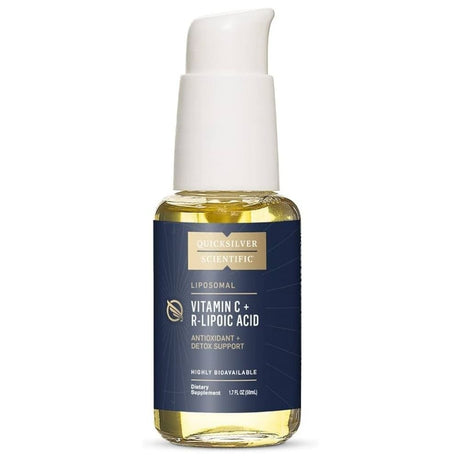
Quicksilver
Quicksilver Liposomal Vitamin C with R-Lipoic Acid EU - 50 ml
Regular price €36.79Unit price€73.58 /100ml


Browse our full immune system collection for vitamin C alongside other immune-supporting nutrients.
This article is for information only and does not replace medical advice. If you have health concerns, are pregnant, breastfeeding or taking medication, consult a doctor or pharmacist. Dietary supplements are not a substitute for a varied diet.


